CODING
INTRODUCTION:
In today's digital age, coding has become an indispensable skill with applications across various industries and disciplines. From web development and software engineering to data analysis and artificial intelligence, coding empowers individuals to create, innovate, and solve complex problems in the digital realm.
At its core, coding involves writing and designing the instructions that computers understand and execute to perform specific tasks. These instructions, written in programming languages such as HTML, CSS, JavaScript, Python, and Ruby, form the building blocks of websites, applications, and software systems that we interact with on a daily basis.
The significance of coding extends far beyond technical proficiency—it fosters critical thinking, problem-solving, and creativity, making it a valuable skill for individuals of all backgrounds and interests. Whether you're a student exploring career options, a professional looking to upskill, or an entrepreneur seeking to launch a digital venture, learning to code opens doors to new opportunities and possibilities in the digital world.
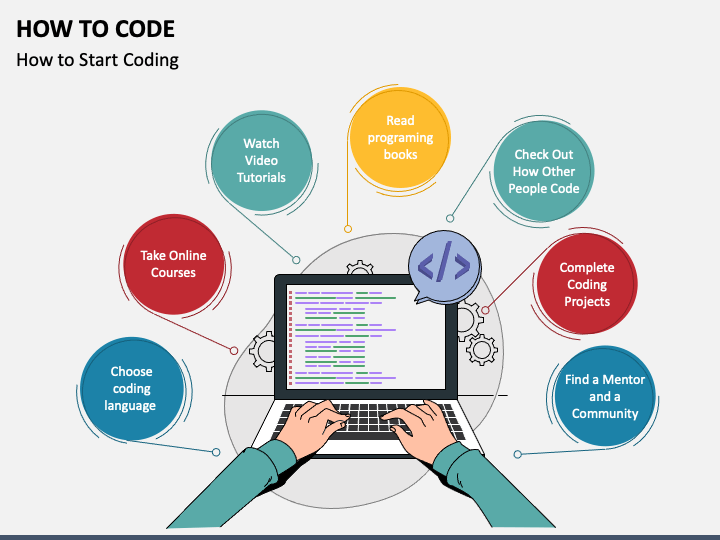
WHY CODING?
1. Career Opportunities: Coding skills are in high demand in the tech industry, and blogging can serve as a platform to showcase your coding abilities and build a portfolio of projects. Whether you're interested in freelance web development, content management, or digital marketing, coding skills can open doors to new career opportunities.
2. In-demand Skill: In today's digital economy, coding skills are in high demand across various industries, including technology, finance, healthcare, and entertainment. Whether you're looking to pursue a career in software development, data analysis, or web design, coding proficiency can significantly enhance your job prospects and earning potential.
3. Problem-solving Abilities: Coding teaches valuable problem-solving skills that are applicable beyond the realm of programming. By breaking down complex problems into smaller, more manageable tasks and developing step-by-step solutions, coders learn to think logically, critically, and analytically—a skill set that is invaluable in virtually every aspect of life and work.
4. Creativity and Innovation: Coding empowers individuals to bring their creative ideas to life in the digital realm. Whether it's designing a website, building a mobile app, or developing a video game, coding provides the tools and resources to transform imagination into reality. Through coding, individuals can unleash their creativity, experiment with new technologies, and innovate solutions to real-world problems.
5. Digital Literacy: In an increasingly digital world, understanding how computers work and how software is developed is essential for digital literacy. Coding teaches individuals how to interact with technology, understand the underlying principles of computer science, and navigate the digital landscape with confidence and competence.
6. Empowerment and Independence: Learning to code empowers individuals to take control of their digital destiny. Whether you're building a personal website, automating repetitive tasks, or developing custom software solutions, coding gives you the freedom and flexibility to create the tools and technologies that meet your specific needs and interests.
7. Collaboration and Communication: Coding fosters collaboration and communication skills by providing a common language for individuals to work together on projects, share ideas, and solve problems. Through collaborative coding projects, individuals learn to work effectively in teams, communicate clearly and concisely, and leverage the collective expertise of their peers.
8. Continuous Learning: Coding is a lifelong learning journey that offers endless opportunities for growth and exploration. As technology evolves and new programming languages and frameworks emerge, there's always something new to learn and master. By embracing a growth mindset and staying curious, coders can stay at the forefront of innovation and adapt to changing trends and technologies.
key coding languages and technologies that are widely used in various fields:
HTML (Hypertext Markup Language): HTML is the standard markup language used to create the structure and content of web pages. It defines the layout, formatting, and organization of text, images, and other elements on a web page.
CSS (Cascading Style Sheets): CSS is used to style the appearance and layout of HTML elements on a web page. It allows developers to customize the colors, fonts, spacing, and positioning of elements, creating visually appealing and responsive web designs.
JavaScript: JavaScript is a versatile programming language used to add interactivity and dynamic behavior to web pages. It enables developers to create interactive features such as animations, form validations, and interactive maps, as well as build complex web applications and games.
Python: Python is a high-level programming language known for its simplicity, readability, and versatility. It is widely used for web development, data analysis, artificial intelligence, machine learning, and automation. Python's extensive libraries and frameworks make it a popular choice for developers working on a wide range of projects.

Java: Java is a general-purpose programming language used for building cross-platform applications, web servers, and enterprise software. It is known for its portability, scalability, and performance, making it a popular choice for large-scale projects and mission-critical applications.
SQL (Structured Query Language): SQL is a domain-specific language used for managing and querying relational databases. It allows developers to create, retrieve, update, and delete data from databases, as well as perform complex data manipulation and analysis tasks.
PHP (Hypertext Preprocessor): PHP is a server-side scripting language used for building dynamic web applications and websites. It is commonly used in conjunction with HTML and CSS to create interactive web pages, process form data, and communicate with databases.
Ruby: Ruby is a dynamic, object-oriented programming language known for its simplicity and elegance. It is often used in web development, particularly with the Ruby on Rails framework, which provides a robust set of tools and conventions for building web applications.
Swift: Swift is a programming language developed by Apple for building iOS, macOS, watchOS, and tv OS applications. It is designed to be safe, fast, and expressive, with modern features that make it easier for developers to write clean, concise, and maintainable code.
C/C++: C and C++ are low-level programming languages used for system programming, game development, embedded systems, and performance-critical applications. They provide direct control over hardware resources and are commonly used in industries such as aerospace, automotive, and gaming.
These are just a few examples of key coding languages and technologies used in various fields. Depending on your interests, career goals, and project requirements, you may choose to learn one or more of these languages to enhance your coding skills and pursue your passion for technology and innovation.
Resources for learning coding:
- Online Learning Platforms:
- Codecademy: Offers interactive coding lessons and projects for beginners to advanced learners covering a wide range of programming languages and technologies.
- freeCodeCamp: Provides free coding tutorials, challenges, and certifications in web development, data science, and more.
- Udemy: Offers a vast selection of online courses on coding, web development, mobile app development, data science, and other tech-related topics, taught by industry experts.
- Coursera: Provides courses, specializations, and degrees from top universities and companies on coding, computer science, and related subjects.
- edX: Offers online courses and programs from leading universities and institutions on coding, software engineering, and computer science.
- Flatiron School: Offers immersive coding bootcamps and online courses in web development, data science, and cybersecurity.
- General Assembly: Provides full-time and part-time coding bootcamps, workshops, and events in software engineering, UX design, and other tech disciplines.
- Lambda School: Offers online coding bootcamps in web development, data science, and other tech fields with a deferred tuition model.
- Hack Reactor: Provides immersive coding bootcamps and remote programs in software engineering and full-stack development.
- Traversy Media: Provides tutorials, courses, and tips on web development, programming languages, and frameworks.
- The Net Ninja: Offers tutorials and courses on web development, JavaScript, and popular frameworks like React and Vue.js.
- Programming with Mosh: Provides in-depth tutorials and courses on coding, software engineering, and computer science topics.
- freeCodeCamp.org: Uploads coding tutorials, challenges, and interviews with industry professionals on a wide range of tech topics.
4. Books and Ebooks:
- "Eloquent JavaScript" by Marijn Haverbeke: A comprehensive introduction to JavaScript programming for beginners and intermediate learners.
- "Python Crash Course" by Eric Matthes: A beginner-friendly book that teaches Python programming through practical projects and exercises.
- "HTML and CSS: Design and Build Websites" by Jon Duckett: A visually appealing book that covers HTML and CSS fundamentals for web design and development.
- "Clean Code: A Handbook of Agile Software Craftsmanship" by Robert C. Martin: A must-read book for software developers that teaches principles and best practices for writing clean, maintainable code.
5. Coding Communities and Forums:
- Stack Overflow: A question and answer site for programmers where you can find solutions to coding problems, ask questions, and participate in discussions.
- GitHub: A platform for hosting and sharing code repositories, collaborating on projects, and learning from other developers' code.
- Reddit communities: Subreddits like r/learn programming, r/web dev, and r/programming are great places to ask questions, share resources, and connect with fellow learners and professionals in the coding community.
6. Practice Coding Platforms:
- Leets Code: Offers coding challenges and practice problems to improve your coding skills and prepare for technical interviews.
- Hacker Rank: Provides coding challenges, contests, and assessments in various programming languages and domains, including algorithms, data structures, and artificial intelligence.
- Code wars: Offers coding katas—small coding exercises designed to improve your problem-solving skills and mastery of programming concepts.
These resources offer a variety of options for individuals of all skill levels and learning preferences to learn coding and advance their careers in technology. Whether you prefer interactive online courses, in-person bootcamps, self-paced tutorials, or hands-on coding challenges, there's something for everyone to kickstart their coding journey.
Future Trends of Coding:
- Low-Code and No-Code Development: With the rise of low-code and no-code platforms, coding will become more accessible to individuals with non-technical backgrounds. These platforms allow users to build applications and automate workflows using visual interfaces and drag-and-drop tools, reducing the need for traditional coding skills.
- Artificial Intelligence and Machine Learning: The integration of artificial intelligence (AI) and machine learning (ML) into coding tools and frameworks will revolutionize software development. AI-powered code assistants, predictive analytics, and automated testing tools will streamline the coding process, improve code quality, and accelerate development cycles.
- Augmented Reality (AR) and Virtual Reality (VR) Development: As AR and VR technologies continue to advance, coding for immersive experiences will become increasingly important. Developers will need to learn new programming languages and frameworks to create interactive AR and VR applications for gaming, education, training, and entertainment.
- Quantum Computing: With the emergence of quantum computing, coding for quantum algorithms and applications will become a specialized skill set. Developers will need to learn new programming languages and paradigms to harness the power of quantum computing for solving complex problems in fields such as cryptography, optimization, and simulation.
- Internet of Things (IoT) Development: The proliferation of IoT devices will drive demand for developers skilled in coding for connected devices and systems. Developers will need to master languages and frameworks tailored for IoT development, as well as understand protocols and standards for communication and data exchange in IoT ecosystems.
- Serverless Computing: Serverless architectures, which allow developers to build and deploy applications without managing servers, will become more prevalent. Coding for serverless environments will require developers to adopt new programming models, such as event-driven and function-as-a-service (FaaS) architectures, and leverage cloud services for scalability and reliability.
- Ethical Coding Practices: As technology continues to impact society in profound ways, there will be an increased focus on ethical coding practices. Developers will need to consider the ethical implications of their code, including issues related to privacy, security, bias, and fairness, and adhere to ethical guidelines and standards in their work.
- Cross-Platform Development: With the growing diversity of devices and platforms, cross-platform development will become essential for reaching a broader audience. Developers will need to learn frameworks and tools for building applications that run seamlessly across multiple platforms, including mobile devices, desktops, and the web.
- Blockchain Development: The adoption of blockchain technology will create demand for developers skilled in coding for decentralized applications (dApps), smart contracts, and blockchain networks. Developers will need to learn new languages and frameworks for blockchain development, as well as understand the principles of cryptography and distributed systems.
- Continued Evolution of Programming Languages: Programming languages will continue to evolve to meet the demands of emerging technologies and paradigms. New languages and frameworks will emerge, offering developers more expressive, efficient, and scalable ways to write code. Additionally, existing languages will be updated with new features and improvements to keep pace with technological advancements.
CONCLUSION:
- The future of coding is ripe with possibilities, promising innovation, and transformative advancements across various domains. As technology continues to evolve at a rapid pace, coding stands at the forefront, driving progress and shaping the digital landscape of tomorrow.
- From the democratization of coding through low-code and no-code platforms to the integration of cutting-edge technologies like artificial intelligence, augmented reality, and quantum computing, the coding landscape is evolving in unprecedented ways. Developers are embracing new paradigms, mastering emerging programming languages, and leveraging advanced tools and frameworks to create groundbreaking applications, solve complex problems, and unlock new opportunities for innovation.

- However, amidst the excitement of technological progress, it is imperative to remember the ethical considerations and social responsibilities that come with coding. As stewards of technology, developers must prioritize ethical coding practices, uphold principles of privacy, security, and fairness, and strive to create inclusive, accessible, and equitable solutions that benefit society as a whole.
- In this dynamic and ever-changing environment, the future belongs to those who are curious, adaptable, and committed to lifelong learning. By embracing emerging trends, honing their skills, and cultivating a mindset of innovation and collaboration, developers can chart a course toward a future where coding transcends boundaries, empowers individuals, and drives positive change in the world.
- As we embark on this journey of exploration and discovery, let us embrace the endless possibilities of coding, harness its transformative power, and work together to create a future where technology serves as a force for good, enriching lives and shaping a better tomorrow for generations to come.

Comments
Post a Comment